
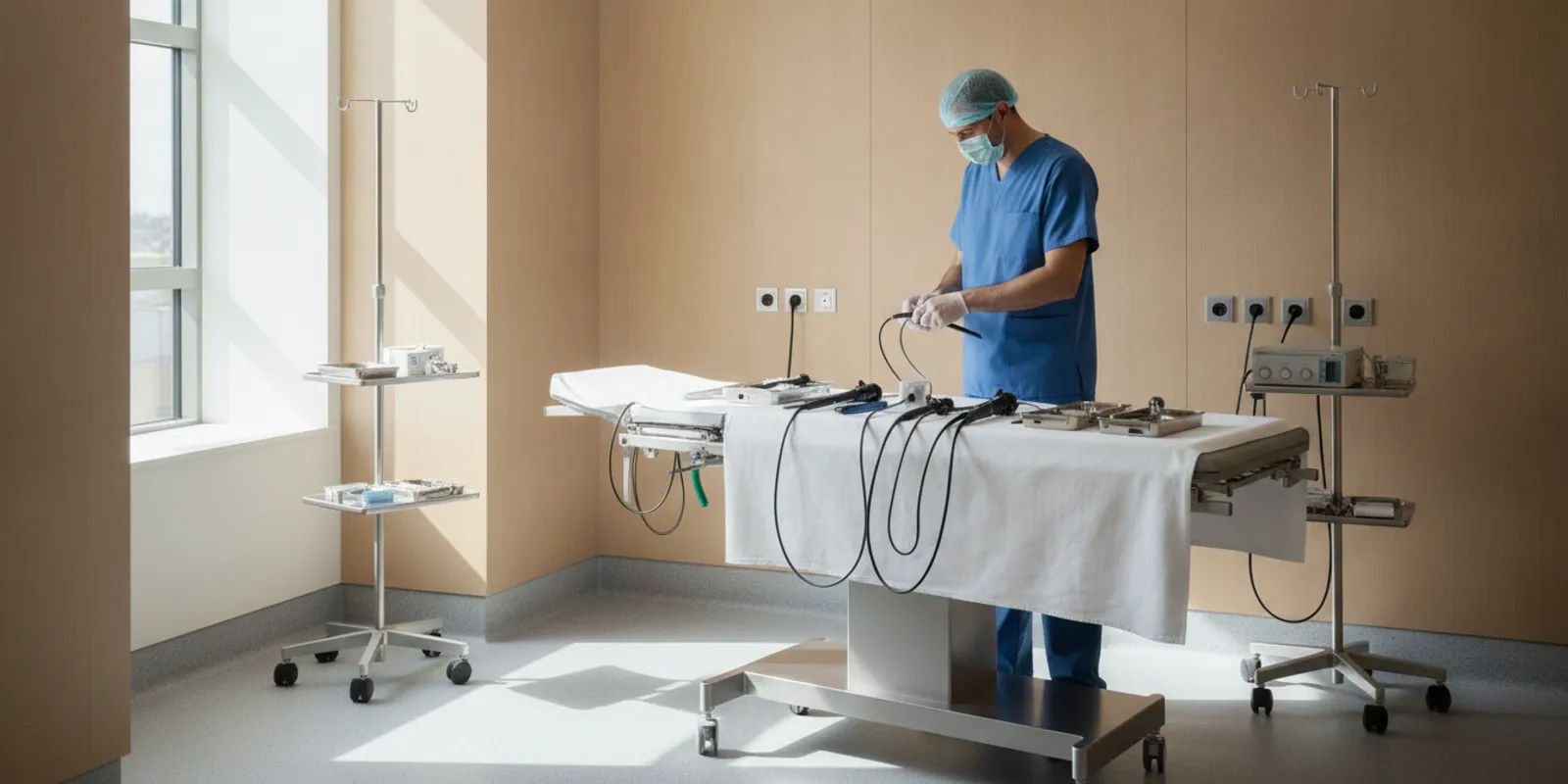
Endoscopy cost can be difficult to estimate from the procedure name alone. The total may depend on what type of endoscopy is planned, where it takes place, whether anesthesia or tissue testing is involved, and how your insurance processes each service. Understanding the pieces can help you ask more useful questions before scheduling.
Request an appointment to discuss your care
Why can endoscopy cost vary?
“Endoscopy” is a broad term for procedures that use a flexible instrument with a camera to view part of the digestive tract or another area of the body. An upper endoscopy, often called an EGD, examines the esophagus, stomach, and beginning of the small intestine. A colonoscopy examines the colon. The procedure, reason for testing, and services provided during it can differ, so one price does not describe every patient’s situation.
An estimate may include several separate components rather than one bundled charge. For example, the facility, physician, anesthesia professional, and laboratory that evaluates a biopsy may bill separately. Which components apply depends on the plan for your care and the location where it occurs. The practice can explain what it expects to be involved, but your insurer determines coverage under your particular plan.
Eastside Bariatrics & General Surgery offers information about screening endoscopies. If you have a planned procedure, ask whether your recommendation is for screening or for evaluation of a symptom or prior finding. The distinction may matter to clinical planning and to how a health plan processes a claim, but only your plan can confirm its rules.
What does the estimate include?
When you request an estimate, first clarify whether it is a facility estimate, a professional fee estimate, or a combined estimate. Ask for the date and procedure description used to prepare it. If a biopsy, removal of a finding, or another service may be performed, ask whether those possibilities are included or would be billed separately.
A useful estimate discussion separates the main components and identifies what is still unknown. It should not be treated as a guarantee of the final amount. A claim may be processed differently if the procedure changes, additional work is clinically needed, or the insurer applies benefits in a way that was not reflected in an initial estimate.
| Cost component | What it may cover | What to clarify |
|---|---|---|
| Facility | Use of the procedure location and its resources | Which location is planned, and is it in network? |
| Professional services | Physician evaluation and procedure work | Are professional charges separate from facility charges? |
| Anesthesia | Anesthesia-related services, when used | Who bills for it, and is that provider in network? |
| Pathology | Laboratory review of tissue, if a sample is taken | Could a biopsy be sent for testing, and would that be a separate charge? |
| Additional services | Pre-procedure assessment, testing, or follow-up, as applicable | Which services are included, and which might generate a separate bill? |
How can the type of procedure affect cost?
The specific procedure affects the equipment, clinical planning, and services involved. An upper endoscopy and a colonoscopy do not examine the same area. Some people may need one procedure, while another person’s clinician may recommend a different test or more than one procedure based on the clinical question. The appropriate plan is individualized; this article cannot determine which test is right for you.
There may also be a difference between an examination intended for screening and one performed to investigate a concern or follow up on a prior result. If the clinician sees an area that needs closer assessment, a biopsy or another action may be considered. Whether that happens cannot always be known in advance. Ask how the estimate handles possible additional services and how the final claim reflects what was actually performed.
For background on what the examination involves, read this patient guide to endoscopy. The article can help you prepare general questions, but it is not a substitute for instructions from your care team.
How does the facility affect an estimate?
Endoscopies may be performed in different types of clinical settings. The setting used for a particular patient depends on the procedure, medical factors, clinician recommendation, and available arrangements. Facility charges may be a substantial part of an estimate, so confirm the planned location before relying on an insurer’s coverage information.
Ask whether the estimate is based on a hospital outpatient department, an ambulatory surgery center, or another setting. Then verify the facility’s network status directly with your insurer. Do not assume that the physician and facility have the same network status. Ask about each separately, and keep the name and address of the planned location available when you call.
If the location changes, call the insurer again. A benefit confirmation for one site may not answer questions about another. You can also ask the practice whom to contact if you need an updated estimate or have questions about the planned setting.
What role can anesthesia play?
Anesthesia or sedation may be part of an endoscopy plan, but the approach depends on the procedure and the patient’s circumstances. A separate anesthesia professional may be involved and may issue a separate bill. Ask whether anesthesia is anticipated, which organization may provide it, and whether its services are included in the estimate.
For coverage questions, use the provider’s exact name if available and ask your plan about network participation and cost sharing. If the provider is not yet known, ask the practice when that information will be available. Network information can change, and only the insurer can explain how a particular service is covered under your plan.
Tell the clinical team about relevant health conditions, prior experiences with anesthesia, and medicines or supplements you take. Follow the team’s instructions about preparation and medication changes. Do not stop or change a medication on your own based on general information online.
Could a biopsy or pathology add a separate service?
If a clinician takes a tissue sample during an endoscopy, a laboratory may review it. That review may be billed separately from the procedure and facility. Whether a sample is needed depends on what the clinician sees and the reason for the examination. A biopsy is not certain simply because an endoscopy is scheduled.
Ask whether pathology is included in the estimate or handled by a separate laboratory. If the laboratory is known, confirm its network status with your insurer. You can also ask what happens if tissue is sent for testing and when you might receive an explanation of any resulting charge. The answer may depend on the actual service and plan terms.
How can insurance affect your out-of-pocket responsibility?
Coverage depends on the terms of your plan and the details of the service. Deductibles, copayments, coinsurance, network rules, referrals, and prior authorization requirements may affect what you owe. A procedure may also be processed differently depending on how it is classified and documented. Avoid relying on a general price range or another person’s bill as a prediction of your own responsibility.
Call the member services number on your insurance card and have the procedure description, planned location, and provider names available. Ask the representative to explain whether authorization or a referral is required and whether each provider is in network. Write down the date of the call, the representative’s name or reference number if offered, and the exact questions and answers.
- What benefits apply to the planned procedure and its stated purpose?
- Does the plan require a referral or prior authorization?
- Are the facility, physician, anesthesia provider, and laboratory in network?
- How do my deductible and cost-sharing terms apply?
- Could a biopsy or additional procedure change claim processing?
- Is the estimate based on the correct location and provider names?
For general background on upper endoscopy, the academic source The Cost and Effectiveness of Upper Gastrointestinal Endoscopy describes it as a diagnostic procedure. It is an older report and is not a current price guide or a substitute for your clinician’s advice or your insurer’s benefit information.
What should you ask before scheduling?
A few specific questions can make the conversation more productive. Start with the clinical plan, then clarify the setting and billing details. If a response is not yet available, ask who can provide it and when to check back.
- What procedure is being considered, and why? Ask for the name of the planned examination and whether it is screening, diagnostic, or follow-up care.
- Where is it expected to take place? Ask for the facility’s name and address so you can confirm network status.
- Which providers may bill separately? Ask about physician, facility, anesthesia, and pathology services.
- What is included in the estimate? Find out whether it assumes a biopsy or other additional service, and what could change the estimate.
- What does my insurer require? Confirm referral, authorization, network, deductible, and cost-sharing details directly with the plan.
- What follow-up should I expect? Ask how results are communicated, when follow-up is planned, and whether those services are included in the estimate.
Keep copies of any written estimates and insurance confirmations. If the plan, location, or procedure description changes, revisit the questions rather than assuming an earlier answer still applies. If you receive a bill that seems inconsistent with what you were told, contact the billing office and insurer with your documentation and ask them to review the specific service and claim.
What follow-up care should you ask about?
Cost questions do not end when the procedure is complete. Ask how and when results will be shared, whether a follow-up visit is expected, and whom to contact with questions about instructions. If a sample is taken, ask how you will be informed about the results and what next steps might depend on them. Do not assume that every follow-up service is included in a procedure estimate.
Before the procedure, make sure you understand the preparation instructions and how to reach the care team with non-emergency questions. Follow the specific directions provided for you. If you experience an urgent medical situation, call 911 or go to the emergency room.
How can you prepare for a cost conversation?
Prepare the name of your insurance plan, member ID, planned procedure if known, and the facility or provider details. Make a short list of questions and record the answers. Ask for written information when available, especially when estimates depend on several providers or services. If you are still comparing options, focus on the planned care and what each estimate includes rather than comparing a single headline amount.
Eastside Bariatrics & General Surgery provides patient resources and information about financial options. These pages can help you find relevant practice information, but contact your insurer for plan-specific coverage answers. To ask about care, use the practice’s contact page.
What should you remember about endoscopy cost?
The most useful estimate is one tied to your planned procedure, location, and providers. Confirm what is included, ask about possible separate charges, and verify coverage details with your insurer. Since clinical plans and insurance terms vary, a conversation with the care team and your plan is the best way to clarify your own next steps.
Request a consultation with the practice
Bring your questions to the care team before scheduling so you can understand the planned procedure and the details that may affect your estimate.