

Meals and preferences
How could an eating plan take account of foods I enjoy, cultural preferences and foods I avoid?
Serving Metro Atlanta
2085 McGee Road, Snellville, GA 30078
Financial options & insuranceNutrition questions change with your routines and your care. A useful discussion connects what you eat, the challenges you face and any medical or surgical instructions you need to follow.
Book an appointment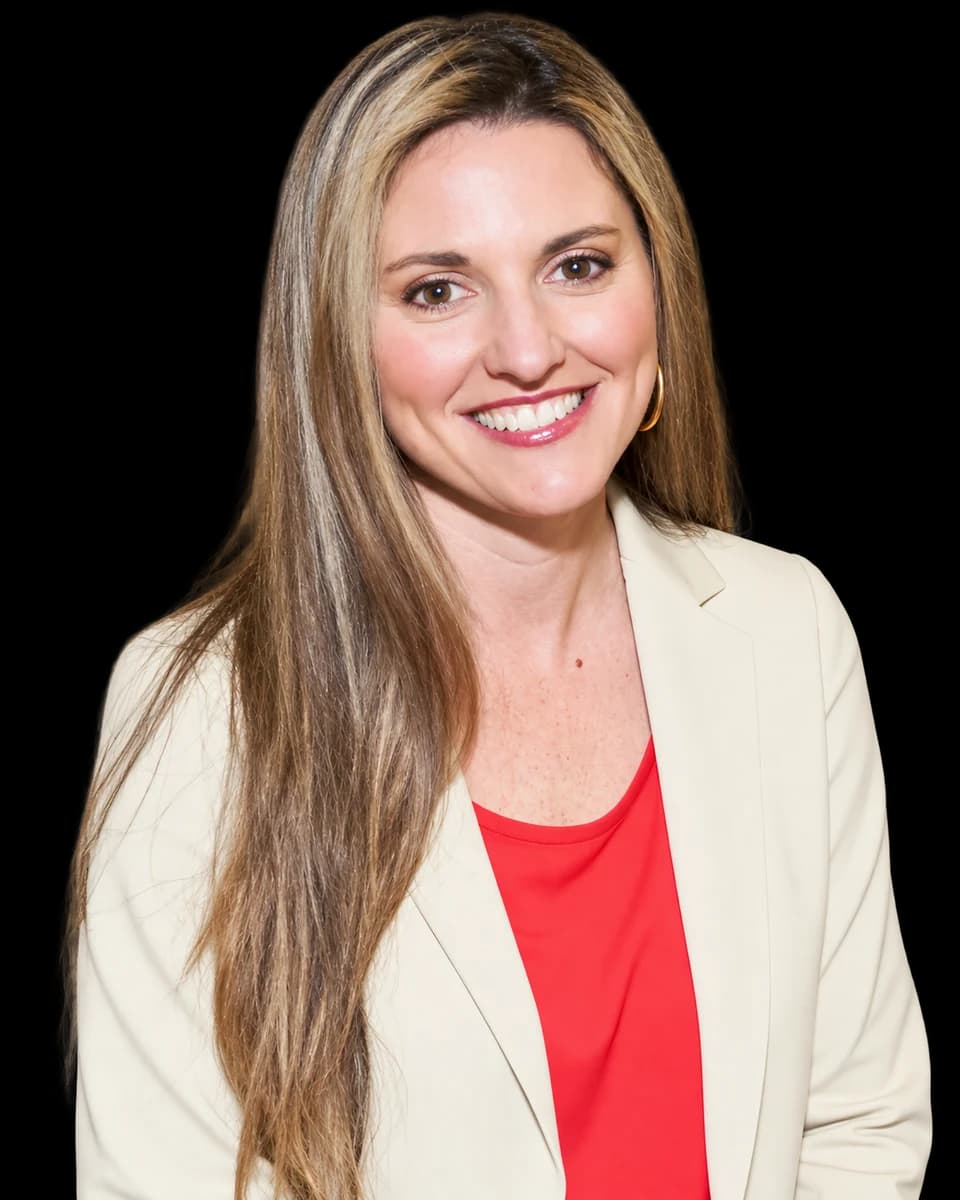
Tracy, Registered Dietitian/Nutritionist, helps patients connect nutrition with their medical weight-loss care and their preparation and recovery from surgery.
She earned her undergraduate degree at the University of Georgia and an MBA in Healthcare Administration. She also holds a certificate in Pediatric and Adolescent Weight Management.
Describe a typical day of meals, snacks and drinks, including the times when eating feels difficult to manage. Your food preferences and practical constraints help frame a realistic conversation.
Tracy works with medical weight-loss patients and surgical patients before and after their procedures.

You do not need a perfect food diary to begin asking questions. Notes about ordinary meals can make the discussion more specific.
How could an eating plan take account of foods I enjoy, cultural preferences and foods I avoid?
What changes could fit my budget, cooking facilities and time?
How can I plan around changing shifts, shared meals or eating away from home?
After bariatric surgery, eating changes as the body recovers. General patient education describes staged food progression, smaller meals and prescribed vitamin and mineral supplements.
Ask for instructions that match your operation and stage of recovery. A general meal-planning discussion does not replace your surgical team’s instructions.
Explore preparation and aftercare questions alongside the original practice outline.
Read about gastric sleeve: what to expectClarify the kind of support you need and how it connects with other care.
Nutrition is part of nonsurgical weight management as well as surgical care. Ask which consultation arrangements fit your situation.
Call the office to ask who currently provides nutrition consultations and about their qualifications and role in your care.
Consider your food questions, usual eating routine and any dietary instructions or supplement list from your treating clinician.