
What is gallbladder removal called?
The operation is called a cholecystectomy. It removes the gallbladder. Whether it is appropriate depends on the diagnosis, symptoms and your overall health.
Serving Metro Atlanta
2085 McGee Road, Snellville, GA 30078
Financial options & insuranceGallbladder removal
Gallbladder removal, also called cholecystectomy, may be discussed when gallstones or another gallbladder problem causes symptoms. Eastside Bariatric & General Surgery evaluates your symptoms, medical history, examination and imaging before discussing whether surgery is appropriate. Our Snellville office serves patients from across Metro Atlanta.

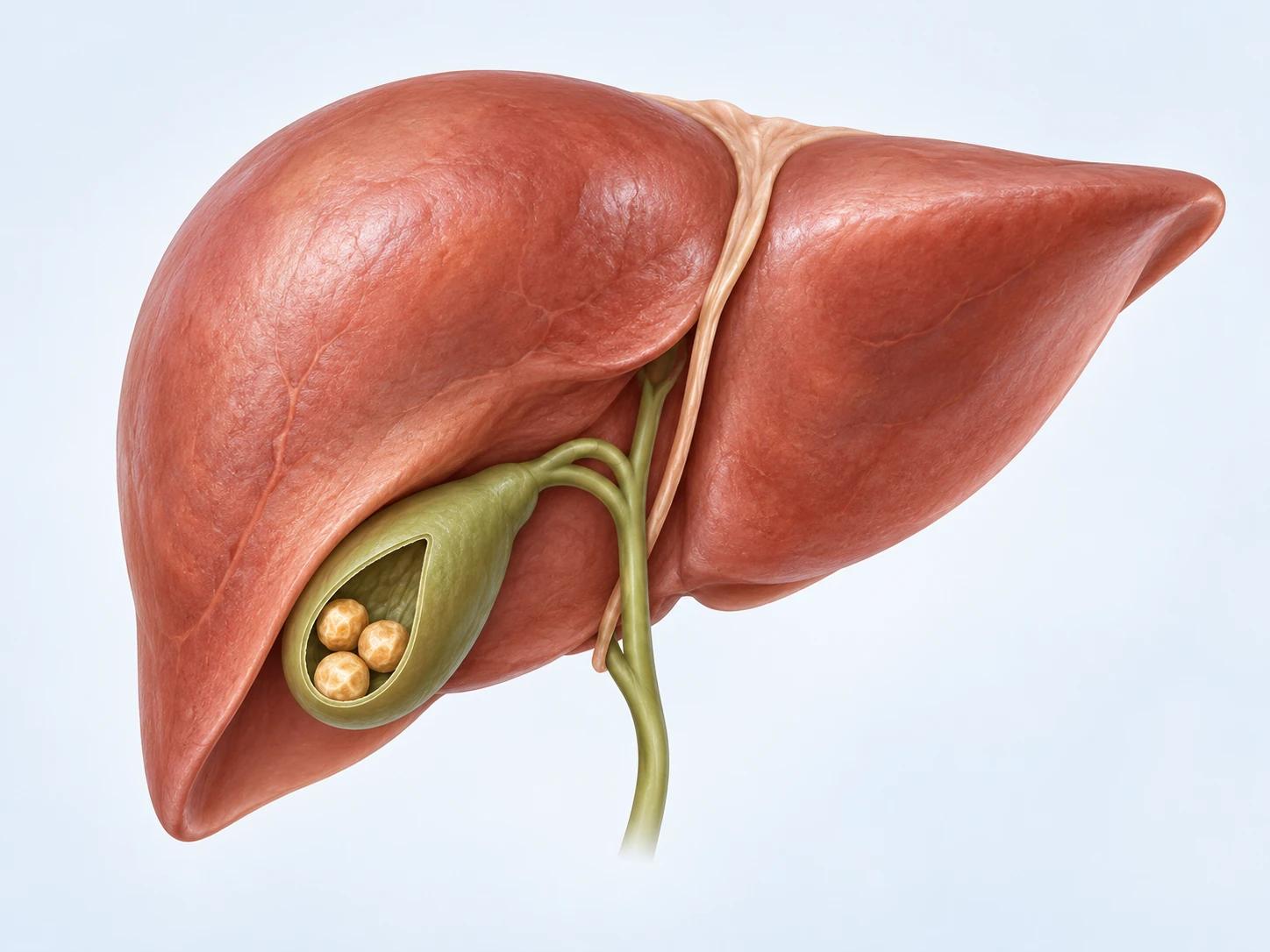
The gallbladder stores bile made by the liver. Gallstones are hardened deposits that can cause pain when they block a duct. Some people have gallstones without symptoms and may not need treatment. Tell the surgeon where your pain occurs, how long it lasts, whether meals affect it, and whether you have nausea or vomiting. Other conditions can cause similar symptoms, so your history, examination and any recommended testing help guide the conversation.
Bring imaging reports or other records you have been asked to share. The office can explain which information is useful for a consultation. The existing gallbladder surgery information offers related education, while this page focuses on the questions patients often have about removal.
Seek urgent medical care for abdominal pain lasting several hours, fever or chills, yellowing of the skin or eyes, or nausea and vomiting during a suspected gallbladder attack. These symptoms can signal a blocked duct or another complication. Do not wait for a routine consultation when urgent symptoms develop. If you are unsure how serious symptoms are, contact an appropriate medical service rather than relying on this page for a diagnosis.
Cholecystectomy removes the gallbladder rather than only taking out stones. After the gallbladder is removed, bile flows from the liver into the small intestine instead of being stored in the gallbladder. Gallbladder removal may be discussed for symptomatic gallstones, inflammation or another diagnosed gallbladder condition. The decision depends on your diagnosis and health history; not everyone with gallstones needs surgery.
Your consultation is a chance to review the reason for a possible operation, the evaluation already completed, alternatives that may apply, and questions about preparation and follow-up. A surgeon can explain what is known from your records and what still needs to be evaluated before a treatment recommendation is made.
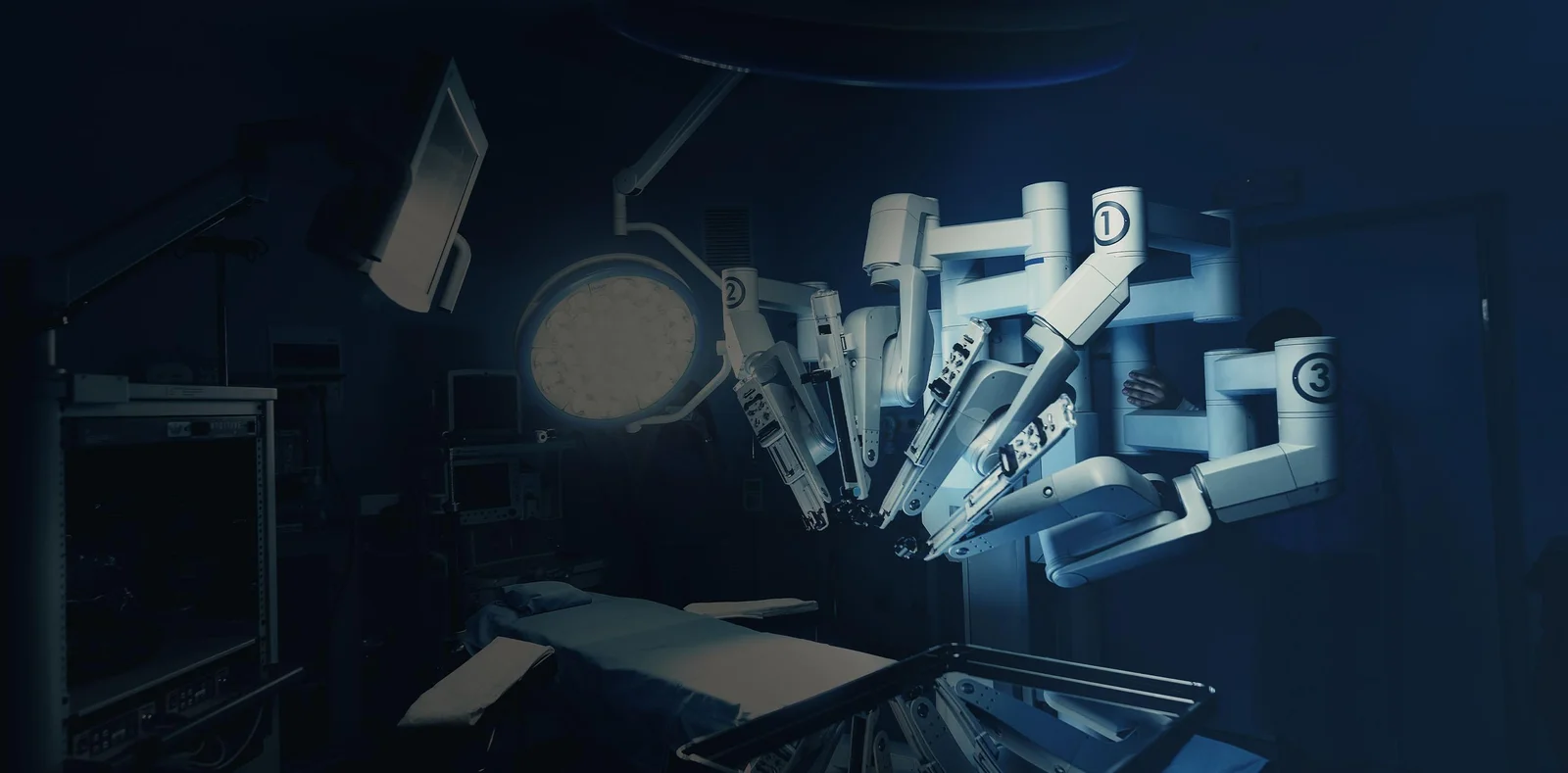
Depending on the diagnosis and your circumstances, the discussion may include laparoscopic, robotic or open surgery. The surgeon considers your anatomy, prior operations, health history and the findings from your evaluation. If a stone in a bile duct is suspected, a separate evaluation or treatment may be needed.
Ask which approach is being considered for you, why it is recommended, what alternatives apply, and what could cause the plan to change. Eastside's existing robotic surgery information describes the role of the surgeon and the Da Vinci Xi system. It does not replace a consultation about your own diagnosis.
Recovery varies with the operation, your health and the activities you need to resume. Ask your surgical team when to return to work, driving, exercise and other activities, and follow the instructions given for wound care, eating and follow-up. Your instructions may be different from another person's because recovery planning is individual.
Some people notice changes in bowel habits after gallbladder removal. Ask what symptoms to report, what eating guidance applies to your situation, and how follow-up will be arranged. A general estimate is not personal medical clearance, and new or worsening symptoms should be discussed with your care team.
Eastside Bariatric & General Surgery is located at 2085 McGee Road, Snellville, GA 30078, and serves patients from Snellville and the surrounding Metro Atlanta area. A local consultation gives you a place to discuss your symptoms, records and questions with the surgical team rather than trying to decide from general information alone.
For additional practice information, visit Meet the Surgeon, Meet Our Team, and Professional Affiliations. You can also read the practice's Patient Reviews. These links provide practice and patient-experience context; they are not a promise about an individual outcome.
The operation is called a cholecystectomy. It removes the gallbladder. Whether it is appropriate depends on the diagnosis, symptoms and your overall health.
Gallstones can be present without symptoms, and other conditions can cause similar pain. A consultation reviews your symptoms, examination, imaging and health history before a treatment discussion.
The planned approach may depend on findings during evaluation or the operation. Ask whether laparoscopic, robotic or open surgery is being considered and what could lead the surgeon to change the approach.
Your team will give instructions for recovery, activity, eating and follow-up. Some people notice bowel-habit changes. Ask which symptoms should prompt a call and when you may safely resume normal activities.
Before your visit, note when symptoms started, where discomfort occurs, how long it lasts, whether meals affect it, and whether you have nausea, vomiting, fever, chills or yellowing of the skin or eyes. Bring imaging reports, a medication list and questions about the possible approach, recovery and follow-up if the office asks you to provide them. Your care team can explain which records and details are relevant to your evaluation.
Call Eastside Bariatric & General Surgery at 770-559-0778 or use the contact form to ask about a gallbladder consultation. Share your symptoms and bring imaging reports or other records requested by the office. Our Snellville practice serves patients from Snellville and the surrounding Metro Atlanta area.